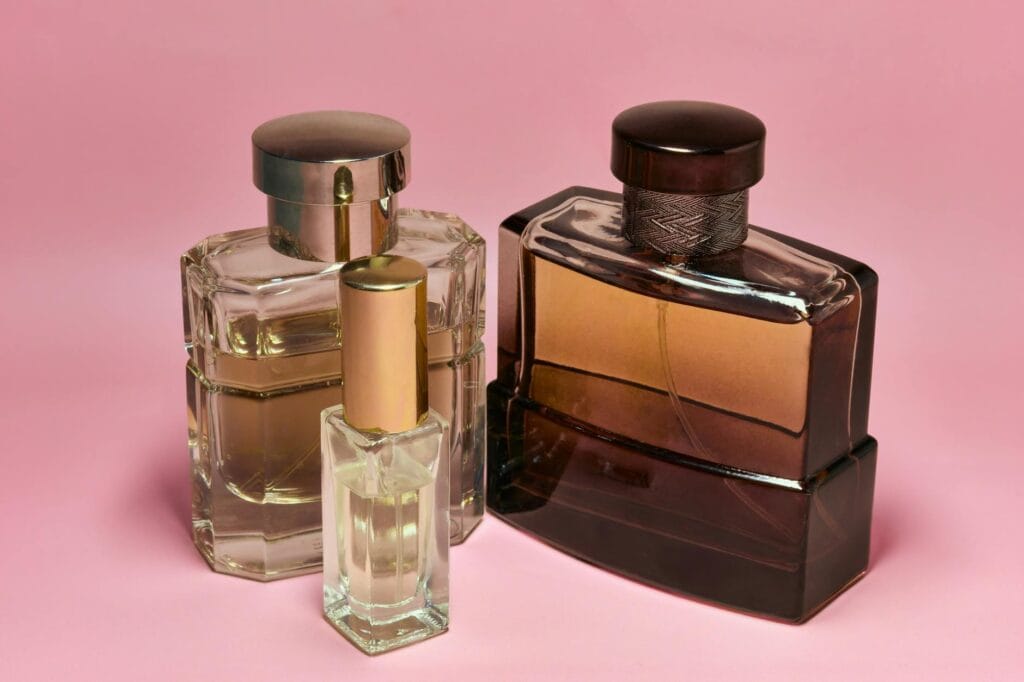
Eau de Parfum vs Eau de Toilette: What’s the Difference and Which Should You Choose?
Choosing between Eau de Parfum (EDP) and Eau de Toilette (EDT) can feel overwhelming, especially if you’re new to the world of fragrances. Both terms refer to different concentrations of fragrance oils in a solution, but the differences go far beyond just strength. Understanding these nuances can help you pick the perfect scent for any occasion—whether you’re heading to the office, a date night, or a casual weekend outing.
Understanding Fragrance Concentrations: The Basics
Before diving into the specifics of EDP and EDT, it’s essential to grasp how fragrance concentrations work. Perfumes are classified based on the percentage of aromatic compounds (fragrance oils) dissolved in alcohol and water. The higher the concentration, the stronger and longer-lasting the scent. Here’s a quick breakdown of the most common types:
- Parfum (Extrait de Parfum): 20-30% fragrance oils. The most concentrated and long-lasting, often reserved for special occasions due to its high price.
- Eau de Parfum (EDP): 15-20% fragrance oils. A balanced option with strong longevity and sillage, ideal for daily wear.
- Eau de Toilette (EDT): 5-15% fragrance oils. Lighter and more refreshing, perfect for warmer weather or casual settings.
- Eau de Cologne (EDC): 2-4% fragrance oils. Very light and often used for a quick, fresh burst of scent.
- Eau Fraîche: 1-3% fragrance oils. The most diluted, often used in body splashes or aftershaves.
For most consumers, the choice boils down to EDP vs EDT, as these are the most widely available and versatile options. But how do they really differ, and which one should you reach for?
Eau de Parfum (EDP) vs Eau de Toilette (EDT): Key Differences
The differences between EDP and EDT extend beyond just the percentage of fragrance oils. Here’s a detailed comparison to help you understand what sets them apart.
1. Fragrance Oil Concentration
The primary difference lies in the concentration of fragrance oils. EDP contains 15-20% aromatic compounds, while EDT typically has 5-15%. This higher concentration in EDP means the scent is richer, more complex, and often features deeper base notes like vanilla, amber, or musk. EDT, on the other hand, tends to emphasize brighter top notes like citrus, herbs, or light florals, making it feel fresher and more airy.
2. Longevity and Wear Time
One of the most noticeable differences is how long the fragrance lasts on your skin. EDP can last anywhere from 6 to 12 hours, depending on the formulation and your skin chemistry. EDT, being lighter, usually fades after 4 to 6 hours. If you’re looking for a scent that stays with you all day, EDP is the clear winner. However, if you prefer a fragrance that doesn’t overpower or linger too long, EDT might be a better fit.
For example, Chanel Coco Mademoiselle EDP is renowned for its all-day wear, while its EDT counterpart offers a lighter, more fleeting experience—perfect for a quick refresh.
3. Sillage and Projection
Sillage refers to the scent trail a fragrance leaves in the air, while projection describes how far the scent radiates from your skin. EDP generally has stronger sillage and projection due to its higher oil concentration. This makes it ideal for occasions where you want to make a subtle but memorable impression, such as a date night or a formal event. EDT, with its softer sillage, is better suited for close-quarters settings like the office or a casual lunch with friends.
4. Price and Value
Because EDP contains more fragrance oils, it’s typically more expensive than EDT. However, the price difference isn’t always proportional to the concentration. Luxury brands often price their EDPs significantly higher due to branding, packaging, and marketing. That said, you can find affordable EDP options from niche or indie brands that offer excellent longevity and quality without the hefty price tag. For instance, Zara Red Vanilla is a popular EDP dupe for more expensive vanilla-based fragrances, offering great value for money.
5. Best Occasions for Each
Choosing between EDP and EDT often comes down to the occasion and your personal preferences. Here’s a quick guide:
- Eau de Parfum (EDP):
- Evening events or date nights
- Colder months (fall and winter)
- Special occasions like weddings or parties
- When you want a signature scent that lasts all day
- Eau de Toilette (EDT):
- Daytime or office wear
- Warmer months (spring and summer)
- Casual outings or gym sessions
- When you prefer a lighter, more refreshing scent
How to Choose Between Eau de Parfum and Eau de Toilette
With so many factors to consider, how do you decide which one is right for you? Here are some key questions to ask yourself:
Consider Your Skin Type
Your skin type can influence how a fragrance develops and lasts. If you have dry skin, fragrances tend to fade faster, so EDP might be a better choice for longer wear. If you have oily skin, EDT could work well, as the natural oils in your skin help diffuse the scent more gradually. However, this isn’t a hard rule—always test fragrances on your skin to see how they interact with your chemistry.
Think About the Season
Seasonal changes can dramatically alter how a fragrance performs. In warmer weather, lighter scents like EDT are more comfortable and less overwhelming. Think of fresh citrus, aquatic, or green notes that evoke a sense of coolness. In colder months, richer, warmer scents like EDP—think spicy, woody, or gourmand notes—create a cozy, enveloping effect that’s perfect for the season.
Match the Fragrance to the Occasion
Are you dressing up for a formal event or keeping it casual? EDP is your go-to for special occasions where you want to leave a lasting impression. For everyday wear, EDT is versatile and unobtrusive, making it ideal for the office or running errands. If you’re unsure, consider owning both versions of a fragrance you love. For example, Dior Sauvage offers both an EDP and EDT, allowing you to switch between them based on the occasion.
Test Before You Invest
Never buy a fragrance without testing it first. Visit a store and spray both the EDP and EDT versions of a scent you like on your skin. Walk around for a few hours to see how they evolve and how long they last. Pay attention to the fragrance notes—do the top notes fade too quickly in the EDT? Does the EDP become too intense after a few hours? Testing is the best way to determine which concentration suits you best. If you’re new to fragrances, check out our beginner’s guide to fragrance notes to understand how scents evolve over time.
Top Eau de Parfum and Eau de Toilette Recommendations
To help you get started, here are some top picks for both EDP and EDT, categorized by gender and occasion.
Best Eau de Parfum Picks for Women
- Chanel Coco Mademoiselle EDP: A timeless floral-oriental fragrance with notes of orange, jasmine, and patchouli. Perfect for all-day wear and special occasions.
- Yves Saint Laurent Black Opium EDP: A seductive blend of coffee, vanilla, and white flowers. Ideal for evening wear and date nights.
- Lancôme La Vie Est Belle EDP: A gourmand fragrance with iris, jasmine, and praline. Great for those who love sweet, comforting scents.
- Zara Red Vanilla EDP: An affordable dupe for more expensive vanilla-based fragrances, offering excellent longevity and warmth.
Best Eau de Toilette Picks for Women
- Dolce & Gabbana Light Blue EDT: A fresh, aquatic fragrance with notes of Sicilian lemon, apple, and cedar. Perfect for summer and daytime wear.
- Marc Jacobs Daisy EDT: A playful floral scent with violet, wild rose, and musk. Great for casual outings and office wear.
- Narciso Rodriguez For Her EDT: A musky, floral fragrance with notes of rose, musk, and vanilla. A versatile option for both day and night.
- Clean Warm Cotton EDT: A fresh, soapy scent that’s perfect for everyday wear and those who love clean laundry-inspired fragrances.
Best Eau de Parfum Picks for Men
- Creed Aventus EDP: A luxurious, fruity-woody fragrance with notes of pineapple, birch, and musk. A powerhouse for special occasions.
- Dior Sauvage EDP: A fresh, spicy scent with bergamot, pepper, and ambroxan. Versatile for both day and night.
- Tom Ford Oud Wood EDP: A rich, woody fragrance with oud, sandalwood, and cardamom. Perfect for colder months and formal events.
- Armaf Club de Nuit Intense Man EDP: An affordable dupe for Creed Aventus, offering great longevity and sillage at a fraction of the price.
Best Eau de Toilette Picks for Men
- Acqua di Giò EDT: A fresh, aquatic fragrance with notes of marine accords, citrus, and amber. Ideal for summer and casual wear.
- Bleu de Chanel EDT: A sophisticated, woody-aromatic scent with grapefruit, incense, and sandalwood. Great for office wear and daytime events.
- Nautica Voyage EDT: A budget-friendly fresh fragrance with apple, green leaves, and musk. Perfect for everyday wear and warmer weather.
- Dior Homme EDT: A floral-iris fragrance with notes of lavender, bergamot, and musk. A versatile option for both day and night.
Common Myths About Eau de Parfum and Eau de Toilette
There are plenty of misconceptions about EDP and EDT that can lead to confusion. Let’s debunk some of the most common myths:
- Myth 1: EDP is always better than EDT.
While EDP offers longer longevity and stronger sillage, that doesn’t mean it’s always the better choice. EDT is often more suitable for casual settings, warmer weather, or those who prefer lighter scents. The “better” option depends on your personal preferences and the occasion.
- Myth 2: EDT is just a weaker version of EDP.
EDT isn’t just a diluted EDP—it’s formulated differently to emphasize brighter, fresher notes. The composition of fragrance oils in EDT is often tailored to create a lighter, more refreshing experience, not just a weaker version of the EDP.
- Myth 3: EDP is only for women, and EDT is only for men.
Fragrance concentrations are gender-neutral. While some scents are marketed toward a specific gender, there’s no rule that says EDP is for women or EDT is for men. It’s all about the notes and your personal taste. For example, Bleu de Chanel offers both EDP and EDT versions, and both are popular among men and women.
- Myth 4: More expensive fragrances always last longer.
Price isn’t always an indicator of longevity. While luxury brands often charge more for their EDPs, you can find affordable options that offer excellent wear time. For example, Armaf Club de Nuit Intense Man is a fraction of the price of Creed Aventus but offers comparable longevity.
- Myth 5: You should only wear one type of fragrance.
There’s no rule that says you can’t own both EDP and EDT versions of your favorite fragrance. In fact, having both allows you to switch between them based on the occasion, season, or even your mood. For example, you might wear the EDT during the day and switch to the EDP for an evening out.
Maximizing the Longevity of Your Fragrance
Whether you choose EDP or EDT, there are ways to make your fragrance last longer and perform at its best. Here are some expert tips:
- Moisturize Your Skin: Fragrances last longer on hydrated skin. Apply an unscented lotion or body oil before spraying your perfume to help lock in the scent.
- Spray on Pulse Points: Apply your fragrance to warm areas of your body, such as your wrists, neck, and behind your ears. The heat from these areas helps diffuse the scent throughout the day.
- Avoid Rubbing Your Wrists: Rubbing your wrists together after applying perfume can break down the fragrance molecules, causing the scent to fade faster.
- Layer Your Fragrance: Use matching body products, such as shower gels or lotions, to enhance the longevity of your fragrance. For example, if you’re wearing Dolce & Gabbana Light Blue EDT, pair it with the Light Blue body lotion for a longer-lasting effect.
- Store Your Fragrance Properly: Keep your perfumes in a cool, dark place away from direct sunlight and heat. Exposure to light and temperature fluctuations can degrade the quality of the fragrance over time. For more tips on perfume storage, check out our guide.
- Reapply Strategically: If your fragrance fades before the end of the day, carry a travel-sized bottle for touch-ups. Focus on pulse points and areas where clothing rubs against your skin, like your collarbone or inner elbows.
Understanding the differences between Eau de Parfum and Eau de Toilette can transform the way you shop for and wear fragrances. Whether you opt for the long-lasting power of EDP or the light, refreshing appeal of EDT, the key is to choose a scent that aligns with your lifestyle, preferences, and the occasion. Don’t be afraid to experiment—after all, fragrance is a deeply personal journey.
Questions fréquentes
Is Eau de Parfum stronger than Eau de Toilette?
Yes, Eau de Parfum (EDP) is generally stronger than Eau de Toilette (EDT) due to its higher concentration of fragrance oils (15-20% vs 5-15%). This makes EDP richer, longer-lasting, and more intense, while EDT is lighter and more refreshing.
Can I wear Eau de Toilette in the winter?
While Eau de Toilette (EDT) is often associated with warmer weather, you can wear it in the winter if you choose the right scent. Opt for EDTs with warmer notes like vanilla, amber, or spices, and layer them with matching body products to enhance longevity.
Why is Eau de Parfum more expensive than Eau de Toilette?
Eau de Parfum (EDP) is more expensive because it contains a higher concentration of fragrance oils, which are the most costly ingredient in perfumes. Additionally, luxury brands often price their EDPs higher due to branding and packaging.
Does Eau de Parfum last longer on clothes or skin?
Fragrances generally last longer on clothes than on skin because fabric doesn’t absorb the scent as quickly. However, spraying perfume directly on your skin allows the fragrance to interact with your body chemistry, creating a unique scent trail. For best results, apply to both skin and clothing.
Can I mix Eau de Parfum and Eau de Toilette?
Yes, you can layer Eau de Parfum (EDP) and Eau de Toilette (EDT) of the same fragrance to create a customized scent. For example, you might apply the EDT first for a fresh base and then layer the EDP on pulse points for added longevity and depth.