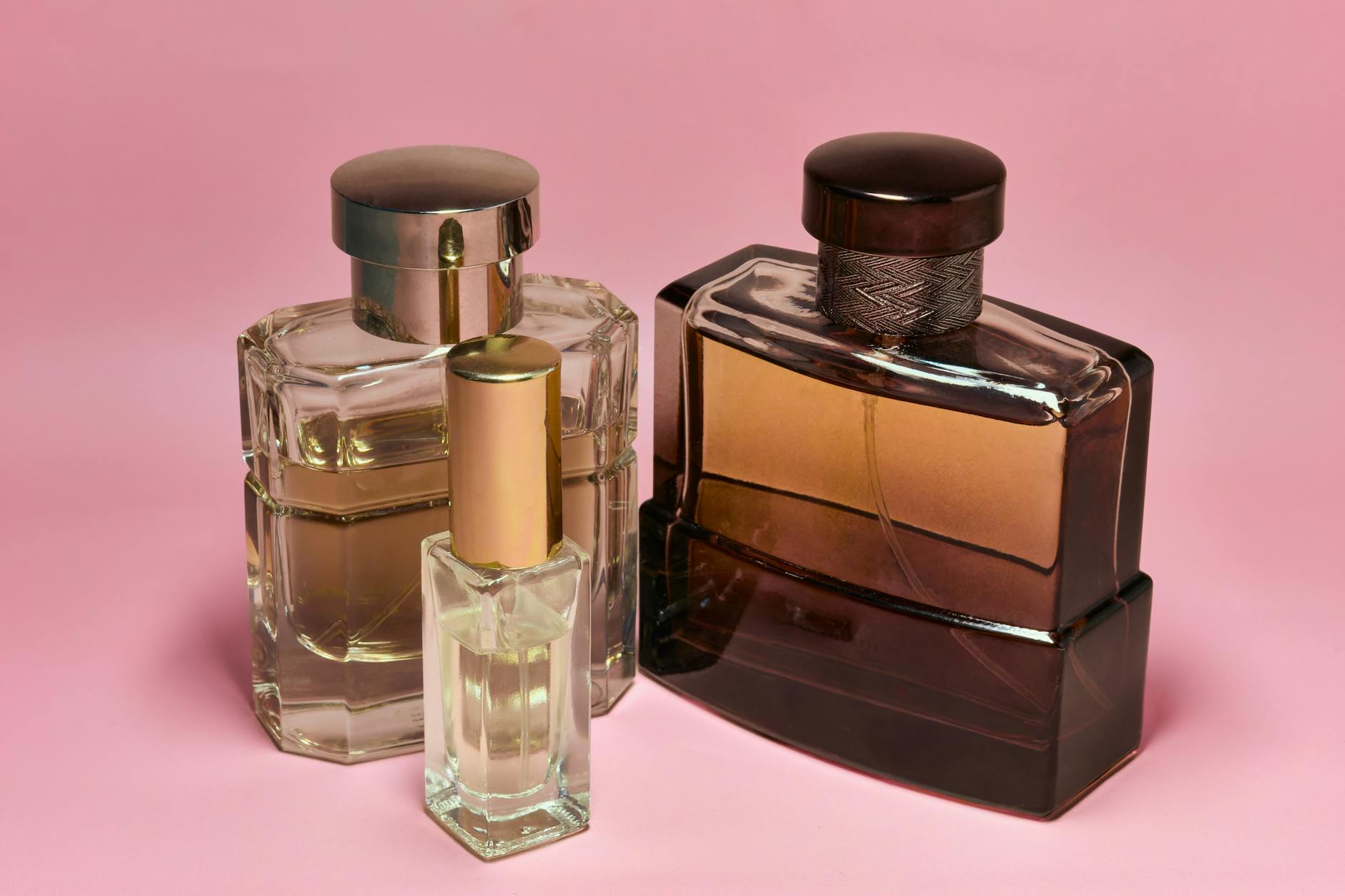

What Are Fragrance Notes? A Complete Beginner’s Guide to Perfume Layers
Fragrance notes are the building blocks of every perfume, cologne, or scent you love. They determine how a fragrance evolves on your skin, from the first spritz to the final lingering impression. If you’ve ever wondered why your favorite perfume smells different hours after application, it’s all thanks to the carefully crafted layers of notes that perfumers use to create depth and complexity.
In this guide, we’ll break down everything you need to know about fragrance notes—what they are, how they work, and how to use them to find your perfect signature scent. Whether you’re a complete beginner or looking to refine your fragrance knowledge, this guide will help you navigate the world of perfumes with confidence.
Understanding Fragrance Notes: The Basics
Fragrance notes are the individual scents that make up a perfume. Think of them like the ingredients in a recipe—each one plays a unique role in creating the final product. Perfumers, also known as “noses,” blend these notes to craft a fragrance that unfolds over time, revealing different layers as it interacts with your skin’s chemistry.
Notes are typically categorized into three types: top notes, middle (or heart) notes, and base notes. Each layer serves a distinct purpose, from the initial burst of scent to the deep, long-lasting foundation. Understanding these layers will help you appreciate why some perfumes smell amazing at first but fade quickly, while others develop into something even more captivating hours later.
The Three Layers of Fragrance Notes Explained
Top Notes: The First Impression
Top notes are the first scents you smell when you spray a perfume. They’re light, fresh, and evaporate quickly—usually within the first 15 to 30 minutes. These notes are designed to grab your attention and create an immediate impression. Common top notes include:
- Citrus: Bergamot, lemon, orange, and grapefruit (e.g., Dior Homme Cologne)
- Herbal: Lavender, rosemary, and basil (e.g., Acqua di Parma Colonia)
- Aromatic: Mint, eucalyptus, and green tea (e.g., Bulgari Eau Parfumée au Thé Vert)
- Fruity: Apple, pear, and berries (e.g., Marc Jacobs Daisy)
While top notes are important for making a strong first impression, they’re not what defines a perfume’s true character. That’s where the middle and base notes come in.
Middle Notes (Heart Notes): The Soul of the Fragrance
Middle notes, or heart notes, emerge once the top notes fade. They form the core of the fragrance and typically last anywhere from 2 to 6 hours. These notes are often floral, spicy, or green, and they give the perfume its personality. Some popular heart notes include:
- Floral: Rose, jasmine, lily, and peony (e.g., Chanel Chance Eau Tendre)
- Spicy: Cinnamon, cardamom, and nutmeg (e.g., Yves Saint Laurent Black Opium)
- Green: Cut grass, leaves, and bamboo (e.g., Chanel No. 19)
- Fruity: Peach, plum, and apricot (e.g., Lancôme La Vie Est Belle)
Heart notes are what most people remember about a perfume, as they linger the longest on your skin. If you’ve ever fallen in love with a scent after wearing it for a few hours, it’s likely because of its middle notes.
Base Notes: The Lasting Memory
Base notes are the foundation of a fragrance. They appear once the middle notes start to fade and can last for 6 hours or more, sometimes even lingering on your clothes the next day. These notes are rich, deep, and often heavier than the top and middle layers. Common base notes include:
- Woody: Sandalwood, cedar, and patchouli (e.g., Creed Aventus)
- Amber: Vanilla, labdanum, and benzoin (e.g., Tom Ford Amber Absolute)
- Musk: White musk, animalic musk (e.g., Narciso Rodriguez For Her)
- Oriental: Tonka bean, vanilla, and resins (e.g., Guerlain Shalimar)
Base notes are what give a perfume its staying power. If you’re looking for a long-lasting fragrance, pay close attention to the base notes—these are the ones that will keep you smelling great all day (or night) long.
Fragrance Families: How Notes Create Perfume Categories
Fragrance notes don’t just determine how a perfume evolves—they also help classify perfumes into fragrance families. These families group scents based on their dominant characteristics, making it easier to find perfumes that suit your preferences. Here are the four main fragrance families and the notes that define them:
Floral: Romantic and Feminine
Floral fragrances are the most popular family, especially among women. They’re built around notes like rose, jasmine, peony, and lily of the valley. These scents are often soft, romantic, and perfect for everyday wear. Examples include:
- Chanel Chance Eau Tendre (peony, grapefruit, musk)
- Jo Malone Wood Sage & Sea Salt (sea salt, sage, ambrette)
- Dior J’adore (jasmine, ylang-ylang, rose)
Floral perfumes are versatile and work well for both daytime and evening wear, depending on their intensity.
Oriental: Warm and Spicy
Oriental fragrances are rich, warm, and often spicy. They feature notes like vanilla, amber, cinnamon, and patchouli, making them perfect for colder months or special occasions. Examples include:
- Yves Saint Laurent Black Opium (coffee, vanilla, white flowers)
- Guerlain Shalimar (vanilla, iris, leather)
- Tom Ford Black Orchid (black truffle, patchouli, vanilla)
Oriental perfumes are bold and seductive, often leaving a lasting impression. They’re ideal for date nights or winter wear.
Woody: Earthy and Sophisticated
Woody fragrances are built around notes like sandalwood, cedar, vetiver, and patchouli. They’re often described as earthy, warm, and masculine, though many unisex and feminine woody scents exist. Examples include:
- Creed Aventus (pineapple, birch, musk)
- Le Labo Santal 33 (cardamom, iris, sandalwood)
- Diptyque Tam Dao (sandalwood, cypress, myrtle)
Woody perfumes are perfect for those who love a sophisticated, understated scent that lasts all day.
Fresh: Clean and Invigorating
Fresh fragrances are light, airy, and often citrusy or aquatic. They’re perfect for warm weather or everyday wear. Common notes include bergamot, lemon, sea salt, and green tea. Examples include:
- Dior Homme Cologne (bergamot, grapefruit, musk)
- Issey Miyake L’Eau d’Issey (lotus, melon, freesia)
- Acqua di Giò by Giorgio Armani (marine notes, bergamot, patchouli)
Fresh perfumes are ideal for office wear or casual outings, as they’re subtle and inoffensive.
How Fragrance Notes Affect Longevity and Sillage
If you’ve ever sprayed a perfume that disappeared within an hour, you’ve experienced the frustration of poor longevity. The longevity of a fragrance—how long it lasts on your skin—is heavily influenced by its notes. Here’s how:
- Top notes: Evaporate quickly (15-30 minutes) and contribute little to longevity.
- Middle notes: Last 2-6 hours and define the perfume’s character.
- Base notes: Can last 6+ hours and determine how long the fragrance lingers.
Perfumes with strong base notes like vanilla, patchouli, or musk tend to last longer. For example, Yves Saint Laurent Black Opium (vanilla, coffee) and Creed Aventus (birch, musk) are known for their impressive longevity. If you’re looking for a long-lasting perfume, prioritize scents with rich base notes.
Sillage, or the scent trail a perfume leaves in the air, is also influenced by notes. Perfumes with strong, diffusive top notes (like citrus or spices) tend to have better projection initially, while those with deep base notes (like amber or musk) create a more subtle but long-lasting sillage.
How to Identify Fragrance Notes in Your Perfume
Reading a perfume’s note pyramid can feel overwhelming at first, but it’s easier than you think. Here’s how to decode it:
- Check the perfume’s official website: Most brands list the notes in their product descriptions. For example, Chanel provides detailed note breakdowns for all their fragrances.
- Use fragrance databases: Websites like Fragrantica and Basenotes offer user reviews and note breakdowns for thousands of perfumes.
- Test on your skin: Fragrances interact differently with everyone’s body chemistry. Spray a perfume on your wrist and observe how the notes evolve over time.
- Train your nose: Start by smelling individual notes (e.g., vanilla, rose, sandalwood) to familiarize yourself with their scents. Many perfume stores offer testers for this purpose.
Expert Tips for Choosing Perfumes Based on Notes
Now that you understand fragrance notes, here’s how to use that knowledge to pick the perfect perfume for any occasion:
For Daytime Wear: Light and Fresh
For work, errands, or casual outings, opt for perfumes with citrus, floral, or green notes. These scents are light, uplifting, and won’t overpower those around you. Some great options include:
- Jo Malone Wood Sage & Sea Salt (fresh, aquatic)
- Dior Homme Cologne (citrus, musk)
- Chanel Chance Eau Fraîche (citrus, floral)
If you’re looking for something more professional, check out our guide on the best office perfumes for men—many of these recommendations also work for women.
For Evening and Special Occasions: Bold and Long-Lasting
Evening wear calls for perfumes with rich, warm, or spicy notes that leave a lasting impression. Look for scents with strong base notes like vanilla, amber, or patchouli. Some standout options include:
- Yves Saint Laurent Black Opium (coffee, vanilla)
- Tom Ford Black Orchid (black truffle, patchouli)
- Guerlain Shalimar (vanilla, iris, leather)
These perfumes are perfect for date nights, parties, or any occasion where you want to feel confident and alluring.
For Seasonal Changes: Adapting to Weather
Your perfume should evolve with the seasons. Here’s how to adjust your fragrance wardrobe:
- Spring: Light florals and fresh scents (e.g., Dior J’adore, Marc Jacobs Daisy).
- Summer: Citrus, aquatic, and green notes (e.g., Acqua di Giò, Issey Miyake L’Eau d’Issey).
- Fall: Warm spices, woody, and amber notes (e.g., Narciso Rodriguez For Her, Spicebomb by Viktor & Rolf).
- Winter: Rich orientals, vanilla, and musk (e.g., Guerlain Shalimar, Tom Ford Tobacco Vanille).
By rotating your perfumes with the seasons, you’ll always smell appropriate and fresh.
Fragrance notes are the key to unlocking the world of perfumes. Whether you’re drawn to the freshness of citrus, the romance of florals, or the depth of woody scents, understanding notes will help you find a fragrance that truly resonates with you. Next time you’re shopping for a new perfume, take a moment to explore its note pyramid—you might just discover your next signature scent.
Questions fréquentes
What’s the difference between top, middle, and base notes?
Top notes are the first scents you smell and evaporate quickly (15-30 minutes). Middle notes emerge next and last 2-6 hours, forming the heart of the fragrance. Base notes appear last and can linger for 6+ hours, providing depth and longevity.
Why do some perfumes smell different on me than on others?
Fragrances interact with your skin’s chemistry, which can alter how notes develop. Factors like pH balance, diet, and even climate can change how a perfume smells on you compared to someone else.
How can I make my perfume last longer?
To extend longevity, apply perfume to pulse points (wrists, neck, behind ears), moisturize your skin beforehand, and choose fragrances with strong base notes like vanilla, musk, or patchouli. Storing your perfume in a cool, dark place also helps preserve its quality.
Most perfumes are blends of multiple notes, but some soliflore fragrances focus on a single floral note, such as rose or jasmine. Examples include Diptyque Eau Rose and Jo Malone Red Roses.
Can I mix different perfumes to create my own scent?
Yes! Perfume layering is a great way to personalize your fragrance. Start with complementary scents, such as a fresh citrus paired with a warm vanilla, and experiment to discover your perfect combination.