How to Store Perfume Properly: Expert Tips to Preserve Fragrance Longevity
Perfume is more than just a scent—it’s an investment in luxury, memory, and personal expression. Whether you own a collection of high-end fragrances, affordable dupes, or niche perfumes, knowing how to store perfume properly is essential to preserving its quality, longevity, and true character. Improper storage can cause your favorite scents to degrade, lose their depth, or even turn rancid over time. In this expert guide, we’ll cover everything you need to know to keep your perfumes fresh, vibrant, and ready to wear for years to come.
Why Proper Perfume Storage Matters
Perfumes are delicate blends of aromatic compounds, alcohol, and essential oils. These ingredients are sensitive to environmental factors like light, heat, and humidity, which can accelerate chemical reactions and alter the fragrance’s composition. For example, exposure to sunlight can break down the top notes of a perfume, while high temperatures can cause the alcohol to evaporate, leaving behind a weaker, unbalanced scent.
Proper storage isn’t just about keeping your perfume smelling good—it’s also about protecting your investment. A bottle of luxury perfume like Creed Aventus or Chanel Coco Mademoiselle can cost hundreds of dollars, while even affordable dupes like Armaf Club de Nuit Intense Man or Zara Red Vanilla deserve to be preserved. By following the right storage techniques, you can extend the lifespan of your fragrances and ensure they perform as intended every time you wear them.
The Ideal Conditions for Storing Perfume
To keep your perfumes in optimal condition, you need to control three key environmental factors: light, temperature, and humidity. Here’s how to get it right:
1. Keep Perfume Away from Light
Light, especially sunlight, is one of the biggest enemies of perfume. UV rays can degrade the aromatic compounds in fragrances, causing them to lose their complexity and freshness. This is why many perfume bottles are made from dark or opaque glass—it helps block out harmful light. To protect your perfumes:
- Store bottles in a dark place, such as a drawer, cabinet, or closet.
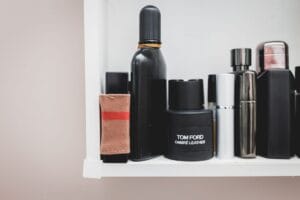
- Avoid displaying perfumes on windowsills, vanities, or open shelves where they’re exposed to daylight.
- If you must keep a bottle on your dresser, choose one with a dark or tinted glass bottle, like Tom Ford Black Orchid or Yves Saint Laurent Libre.
2. Maintain a Cool and Stable Temperature
Heat accelerates the evaporation of alcohol and can cause the fragrance oils to break down. Ideally, perfumes should be stored at a consistent temperature between 50°F and 70°F (10°C and 21°C). Fluctuations in temperature, such as those found in bathrooms or near heating vents, can degrade the scent over time. To maintain a stable temperature:
- Avoid storing perfumes in the bathroom, kitchen, or near windows where temperatures can vary.
- Keep bottles away from radiators, space heaters, or other heat sources.
- If you live in a hot climate, consider storing your most precious fragrances in a cool, dark closet or even a wine fridge (more on that later).
For more tips on how to make your perfume last longer, check out our expert guide on maximizing fragrance longevity.
3. Control Humidity Levels
Humidity can also affect perfume quality. High humidity can cause the alcohol in perfume to absorb moisture from the air, diluting the concentration of fragrance oils. On the other hand, extremely dry conditions can cause the alcohol to evaporate too quickly. To strike the right balance:
- Aim for a humidity level between 40% and 60%.
- Avoid storing perfumes in damp areas like basements or bathrooms.
- If your home is very dry, consider using a small humidifier in the room where you store your perfumes.
4. Store Perfume in Its Original Bottle
The original bottle of your perfume is designed to protect its contents. The dark glass, airtight cap, and sometimes even the box are all part of the preservation system. Transferring perfume to another container, such as a decorative bottle or atomizer, can expose it to air, light, and contaminants, leading to faster degradation. If you must use a travel atomizer, opt for one made of opaque or dark glass and fill it only when needed.
Common Perfume Storage Mistakes to Avoid
Even with the best intentions, it’s easy to make mistakes when storing perfume. Here are some of the most common pitfalls and how to avoid them:
1. Storing Perfume in the Bathroom
The bathroom may seem like a convenient place to keep your perfume, but it’s one of the worst spots for storage. The combination of heat, humidity, and temperature fluctuations can wreak havoc on your fragrances. Instead, choose a cool, dry location like a bedroom closet or dresser drawer.
2. Leaving Perfume Bottles Open
Every time you open a perfume bottle, you expose its contents to air, which can cause oxidation and evaporation. To minimize this, always recap your perfume tightly after use. If you have a bottle with a loose or damaged cap, consider transferring it to a smaller, airtight container until you can replace the cap.
3. Exposing Perfume to Direct Sunlight
As mentioned earlier, sunlight can degrade the aromatic compounds in perfume. Even indirect light, such as that from a lamp or overhead lighting, can have a negative impact over time. To protect your fragrances, store them in a dark place or use a perfume storage box with a lid.
Best Places to Store Your Perfume at Home
Now that you know what to avoid, let’s explore the best places to store your perfume to keep it fresh and long-lasting:
1. Inside a Drawer or Cabinet
A drawer or cabinet is an ideal spot for perfume storage because it’s dark, cool, and protected from temperature fluctuations. Choose a drawer in your bedroom or dressing area, and consider using a small tray or organizer to keep bottles upright and organized. This also makes it easy to see your collection at a glance.
2. In a Closet or Wardrobe
A closet or wardrobe is another great option, especially if it’s located in a temperature-controlled part of your home. Store perfumes on a high shelf or in a closed box to protect them from light and dust. If you have a walk-in closet, consider dedicating a section to your fragrance collection.
3. Using a Perfume Storage Box or Case
For those with a large or valuable perfume collection, a dedicated storage box or case can provide an extra layer of protection. These boxes are often lined with soft fabric to prevent scratches and may include compartments to keep bottles upright. Some even come with temperature and humidity controls, making them ideal for luxury or niche fragrances.
If you’re looking for recommendations on long-lasting perfumes, our expert picks for women and men can help you find fragrances that stand the test of time.
How to Store Perfume for Long-Term Preservation
If you have perfumes that you don’t use often, such as seasonal scents or limited-edition releases, you may need to take extra steps to preserve them for the long term. Here are two methods to consider:
1. Refrigerating Perfume: Pros and Cons
Refrigerating perfume is a topic of debate among fragrance enthusiasts. On one hand, the cool temperature can slow down the degradation process and extend the lifespan of your perfumes. On the other hand, refrigeration can cause condensation to form inside the bottle, which may dilute the fragrance or introduce moisture. If you choose to refrigerate your perfume:
- Use a dedicated wine fridge or a separate section of your refrigerator to avoid contamination from food odors.
- Store bottles in an airtight container or zip-top bag to prevent moisture from getting in.
- Allow the perfume to come to room temperature before using it to avoid shocking the fragrance oils.
Refrigeration is best suited for perfumes that you don’t plan to use for several months or years, such as vintage fragrances or limited-edition releases.
2. Freezing Perfume: Is It Safe?
Freezing perfume is generally not recommended. While it may seem like an extreme way to preserve fragrance, the freezing and thawing process can cause the alcohol and oils to separate, altering the scent. Additionally, the expansion of liquid during freezing can damage the bottle or cap. If you need to store perfume for an extended period, refrigeration is a safer option.
Special Considerations for Different Types of Perfume
Not all perfumes are created equal, and some require special storage considerations based on their concentration, ingredients, or price point. Here’s what you need to know:
1. Storing Eau de Parfum vs. Eau de Toilette
Eau de Parfum (EDP) and Eau de Toilette (EDT) differ in their concentration of fragrance oils, which affects their longevity and storage needs. EDP has a higher oil concentration (typically 15-20%) and is more stable, making it less sensitive to environmental factors. EDT, with its lower oil concentration (5-15%), is more prone to evaporation and degradation. To store these fragrances properly:
- EDP: Can be stored in slightly warmer conditions but still benefits from cool, dark storage.
- EDT: Should be stored in a cooler environment to prevent the alcohol from evaporating too quickly.
For a deeper dive into the differences between EDP and EDT, check out our complete guide.
2. Preserving Niche and Luxury Fragrances
Niche and luxury fragrances often contain rare or high-quality ingredients that can be more sensitive to environmental factors. These perfumes may also come in unique bottle designs that aren’t as protective as standard glass bottles. To preserve niche and luxury fragrances:
- Store them in their original boxes to provide an extra layer of protection from light and dust.
- Keep them in a cool, dark place, such as a dedicated perfume fridge or a temperature-controlled storage box.
- Avoid exposing them to extreme temperatures or humidity.
3. Storing Perfume Dupes and Affordable Fragrances
Affordable dupes and budget-friendly perfumes can be just as sensitive to storage conditions as their luxury counterparts. While they may not be as expensive, they still deserve proper care to maintain their scent and longevity. Follow the same storage guidelines as you would for luxury fragrances, and consider transferring dupes to smaller bottles if you don’t plan to use them quickly. This can help minimize exposure to air and light.
If you’re curious about affordable alternatives to luxury perfumes, our guide to luxury dupes is a great resource.
Traveling with Perfume: Storage Tips for On-the-Go
Traveling with perfume requires extra care to prevent leaks, spills, and damage. Whether you’re packing for a weekend getaway or a long vacation, follow these tips to keep your fragrances safe:
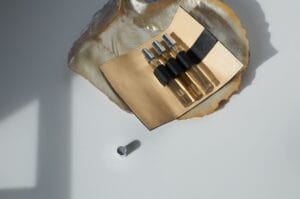
- Use Travel-Sized Bottles: Transfer your perfume into a small, leak-proof atomizer or travel bottle. Choose one made of dark glass to protect the fragrance from light.
- Pack Bottles Upright: Store perfume bottles upright in your luggage to prevent leaks. Use a padded pouch or wrap them in clothing for extra protection.
- Avoid Checked Luggage: If possible, keep your perfume in your carry-on bag to avoid exposure to extreme temperatures in the cargo hold.
- Check TSA Regulations: If you’re flying, remember that liquids in carry-on bags must be in containers of 3.4 ounces (100ml) or less. Place your perfume in a clear, quart-sized bag for easy inspection.
Final Thoughts: Keep Your Fragrances Fresh for Years
Knowing how to store perfume properly is the key to preserving its scent, quality, and longevity. By controlling light, temperature, and humidity, you can protect your investment and ensure that every spritz delivers the intended fragrance experience. Whether you own luxury perfumes, affordable dupes, or niche fragrances, following these expert tips will help you enjoy your collection for years to come.
For more fragrance tips and recommendations, explore our blog or reach out to us with your questions. Your perfect scent awaits—make sure it stays as fresh as the day you bought it!
Questions fréquentes
How long does perfume last when stored properly?
When stored properly in a cool, dark, and dry place, most perfumes can last 3 to 5 years or even longer. However, the exact lifespan depends on the fragrance’s concentration, ingredients, and storage conditions. Eau de Parfum (EDP) tends to last longer than Eau de Toilette (EDT) due to its higher oil concentration.
Can I store perfume in the fridge?
Yes, you can store perfume in the fridge, but it’s not always necessary. Refrigeration can help extend the lifespan of your fragrances by slowing down degradation, but it’s best suited for perfumes you don’t plan to use for several months. If you refrigerate perfume, store it in an airtight container to prevent moisture from getting in.
Is it bad to store perfume in the bathroom?
Yes, storing perfume in the bathroom is one of the worst things you can do. The heat, humidity, and temperature fluctuations in bathrooms can degrade the fragrance oils and cause the alcohol to evaporate, leading to a weaker scent. Instead, store your perfumes in a cool, dry place like a bedroom closet or drawer.
Does perfume expire?
Yes, perfume can expire, but it doesn’t happen overnight. Over time, exposure to light, heat, and air can cause the fragrance to degrade, lose its complexity, or even turn rancid. Most perfumes have a shelf life of 3 to 5 years, but this can vary depending on the ingredients and storage conditions.
Can I store perfume in a clear glass bottle?
It’s best to avoid storing perfume in clear glass bottles for long periods. Clear glass offers no protection from light, which can degrade the aromatic compounds in the fragrance. If you must use a clear bottle, store it in a dark place and transfer the perfume back to its original bottle as soon as possible.