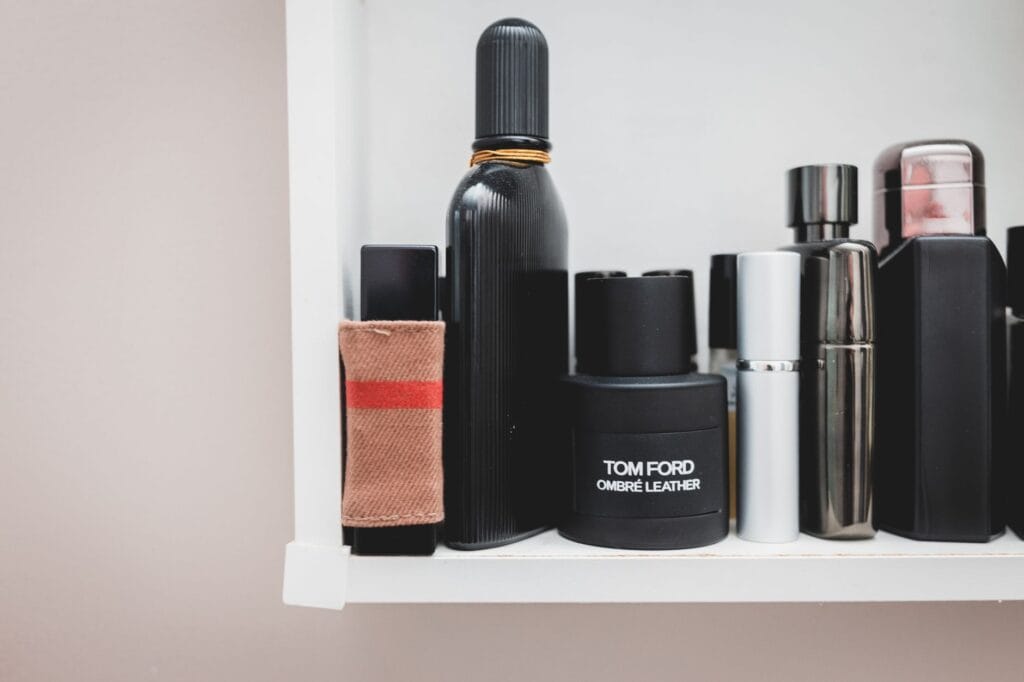
The world of high-end perfumery is undergoing a profound transformation. In 2026, luxury is no longer defined merely by a designer logo or an extravagant price tag. Instead, discerning fragrance enthusiasts are seeking artistic expression, rare raw materials, and scents that tell a deeply personal story. Whether you are a seasoned collector looking to expand your olfactory wardrobe or a newcomer ready to invest in your very first high-end bottle, this comprehensive Luxury Perfume Buying Guide 2026 will help you navigate the sophisticated landscape of modern scents.
A luxury fragrance is more than an accessory; it is an invisible signature, a silent introduction, and a powerful sensory memory. As we step into 2026, the market is filled with innovative molecular creations, revived heritage classics, and bold niche blends that challenge traditional boundaries. Let us explore how to find a masterpiece that truly resonates with your identity.
The Evolution of Luxury Fragrances in 2026
The luxury fragrance industry has shifted from mass-market appeal to hyper-exclusivity. Consumers in the United States and globally are moving away from generic, crowd-pleasing scents in favor of complex compositions that offer individuality. According to industry reports by beauty authorities like Harper’s Bazaar, the demand for artisanal and niche perfumery has reached an all-time high, driven by a desire for craftsmanship and storytelling.
In 2026, we are also seeing a massive emphasis on green chemistry and ethical sourcing. Luxury houses are no longer hiding their ingredient lists; instead, they are proudly showcasing the origins of their rare materials—from sustainably harvested sandalwood in New Caledonia to hand-picked jasmine from Grasse. This transparency has elevated perfumery to a respected art form, where the perfumer (or “Nose”) is celebrated as a master artist.
Why Invest in a High-End Luxury Perfume?
While budget-friendly alternatives and dupes have their place for casual everyday wear, investing in a true luxury perfume offers an unparalleled sensory experience. If you want to explore scents that exude effortless status, read our guide on the best perfumes that smell like wealth to understand how high-end compositions project sophistication.
The Power of Rare and Sustainably Sourced Ingredients
The primary differentiator of luxury perfume lies in the quality of its raw materials. Mass-market fragrances rely heavily on inexpensive synthetic compounds to mimic natural smells. In contrast, luxury and niche houses utilize precious natural extracts that are incredibly difficult to harvest. Ingredients like Orris butter (derived from the iris root, which must be aged for several years), natural Oud (extracted from resinous agarwood), and genuine Ambergris add a rich, multi-dimensional texture to the fragrance that synthetics simply cannot replicate.
Superior Concentration and Complex Scent Evolution
Luxury perfumes typically feature higher concentrations of pure fragrance oils, resulting in superior longevity and sillage (the scent trail left behind). More importantly, they are structured to evolve beautifully on the skin over several hours. A high-end scent will transition seamlessly from its bright top notes to its complex heart notes, finally settling into a warm, lingering base that interacts uniquely with your personal skin chemistry.
Niche vs. Designer: Navigating the 2026 Olfactory Landscape
When embarking on your luxury fragrance journey, it is essential to understand the distinction between designer and niche perfume houses. Both offer exceptional luxury, but they cater to different artistic philosophies.
- Designer Perfumes: Created by established fashion houses (such as Chanel, Dior, and Hermès). These fragrances are highly polished, sophisticated, and designed to align with the brand’s global aesthetic. They often carry a sense of timeless elegance and are crafted by the world’s top master perfumers.
- Niche Perfumes: Produced by companies dedicated solely to the art of fragrance (such as Creed, Diptyque, or Byredo). Niche houses prioritize creative freedom over commercial appeal, often resulting in highly unusual, avant-garde, and daring scent profiles. While designer brands offer familiarity, true connoisseurs often turn to the best niche perfume brands you should know for unparalleled uniqueness.
Key Luxury Perfume Trends Dominating 2026
To make an informed purchase, it helps to know the olfactory movements shaping the year. The year 2026 is defined by a departure from overly sweet, synthetic gourmands toward more natural, grounding, and unexpected scent profiles.
1. The New Gourmands: Savory and Lactonic Notes
While classic vanilla remains a beloved staple, 2026’s gourmand fragrances are far more sophisticated. Perfumers are blending sweet elements with savory, salty, and creamy lactonic notes. Think roasted pistachio, salted caramel, black tea, and steamed rice. These notes create a cozy, skin-like warmth that is incredibly addictive without being cloying.
2. Mineral Aquatics and Solar Florals
The fresh fragrance category has been completely reinvented. Instead of sharp, soapy citruses, 2026 favors “mineral aquatics” that smell like wet stones, sea salt, and cold mountain air. These are often paired with “solar florals” like ylang-ylang, frangipani, and warm amber, evoking the sensation of sun-drenched skin after a swim in the ocean.
3. Hyper-Personalization and Custom Layering
Modern luxury is all about personalization. Rather than wearing a single perfume out of the bottle, fragrance lovers are increasingly combining scents to create a bespoke aura. To craft a scent that is entirely your own, check out our perfume layering guide for beginners.
How to Choose Your Luxury Signature Scent: A Step-by-Step Guide
Finding the perfect luxury perfume requires patience, research, and an understanding of your personal preferences. Follow this step-by-step methodology to ensure your next investment is a certified masterpiece.
Step 1: Understand the Fragrance Families
Every fragrance belongs to one or more olfactory families. Identifying which family appeals to you most will instantly narrow down your search:
| Fragrance Family | Key Notes | Vibe / Character |
|---|---|---|
| Floral | Rose, Jasmine, Tuberose, Peony | Romantic, elegant, timeless |
| Woody | Sandalwood, Cedarwood, Vetiver, Patchouli | Grounding, earthy, sophisticated |
| Amber / Oriental | Vanilla, Amber, Spices, Incense | Warm, sensual, mysterious, opulent |
| Fresh | Bergamot, Sea Salt, Mint, Green Tea | Clean, energetic, uplifting, modern |
You can cross-reference these families with database platforms like Fragrantica to see which specific notes dominate your current favorite scents.
Step 2: Decode the Concentration Levels
The concentration of a fragrance determines its strength, longevity, and how it projects in a room. When buying luxury, you will primarily encounter three types:
- Eau de Toilette (EDT): 5% to 15% concentration. Light, fresh, and excellent for warm weather or casual daytime wear. Typically lasts 3 to 5 hours.
- Eau de Parfum (EDP): 15% to 20% concentration. The industry standard for luxury. Rich, balanced, and versatile, offering 6 to 8 hours of longevity.
- Extrait de Parfum / Parfum: 20% to 40% concentration. The absolute pinnacle of luxury. Dense, intimate, and incredibly long-lasting (often exceeding 12 hours). It sits closer to the skin but leaves a mesmerizing, unforgettable trail.
Step 3: Test on Skin (The Chemistry Factor)
Never buy a luxury perfume based solely on how it smells on a paper blotter or on someone else. Your skin chemistry is entirely unique, influenced by your pH balance, diet, skin moisture levels, and even body temperature. A fragrance that smells like a creamy sandalwood dream on a friend might turn sharp and metallic on your skin. Spray the perfume on your pulse points (wrists or inner elbows), and let it develop for at least four to six hours before making a final decision.
Step 4: Sample Smartly Before Committing
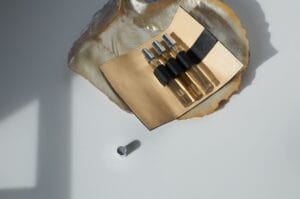
Testing these high-end juices can get expensive, and blind-buying a $300 bottle is a risky endeavor. A smart way to sample is by exploring the best perfume subscription boxes in USA. These services allow you to test decants of genuine luxury and niche fragrances in your everyday life before committing to a full-sized bottle.
How to Properly Store and Care for Your Luxury Perfume
Once you have invested in a luxury bottle, proper storage is crucial to preserve the integrity of the delicate fragrance oils. Heat, light, and humidity are the ultimate enemies of perfume, causing the top notes to oxidize and the composition to break down rapidly.
To ensure your fragrance lasts for years, follow these expert storage rules:
- Avoid the Bathroom: The constant temperature fluctuations and high humidity of a bathroom will quickly degrade your perfume.
- Keep It in the Dark: Store your bottles inside a dark closet, a drawer, or even in their original cardboard boxes. Direct sunlight can alter the color and smell of the liquid within weeks.
- Maintain a Cool, Stable Temperature: Keep your collection in a temperature-controlled room. Avoid placing bottles near heaters, air conditioners, or windowsills.
Conclusion: Your Olfactory Legacy Starts Here
Choosing a luxury fragrance in 2026 is an empowering act of self-expression. By understanding the nuances of fragrance families, recognizing the value of high-quality ingredients, and taking the time to test scents on your skin, you can find a perfume that does not just smell beautiful, but truly feels like an extension of your soul. Treat the selection process as a journey of sensory discovery, and let your signature scent tell your story to the world without a single word.
Questions fréquentes
What is the most long-lasting luxury perfume concentration?
Extrait de Parfum (also known as pure Parfum) is the most long-lasting concentration, containing 20% to 40% aromatic compounds. It typically lasts on the skin for over 12 hours.
Why do luxury perfumes smell different on different people?
Every individual has a unique skin chemistry, which is influenced by skin pH, moisture levels, diet, and body temperature. These factors interact with the perfume's raw ingredients, altering how the notes develop and project.
Is it worth buying niche perfumes over designer perfumes?
Yes, if you value uniqueness, artistic expression, and rare ingredients. Niche perfumes are produced in smaller batches and focus heavily on creative freedom, making them ideal for those who do not want to smell like everyone else.
How can I test luxury perfumes without buying a full bottle?
You can purchase official discovery sets directly from fragrance houses, buy decants from reputable online decanting services, or subscribe to a luxury perfume subscription box.
Do luxury perfumes expire?
Most luxury perfumes can last between 3 to 10 years if stored correctly. To maximize their lifespan, keep them away from heat, direct sunlight, and humidity.