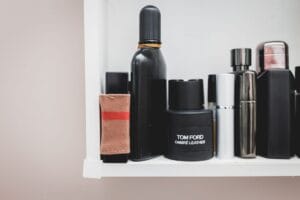

Perfume layering is an art that allows you to create a unique, personalized scent that reflects your mood, style, and personality. Whether you’re new to the world of fragrances or a seasoned enthusiast, learning how to layer perfumes can elevate your scent game and help you stand out. This guide will walk you through the basics of perfume layering, from understanding fragrance notes to mastering the perfect combination for any occasion.
Why Layer Perfumes? The Benefits of Fragrance Mixing
Layering perfumes isn’t just about creating a stronger scent—it’s about crafting something entirely new. Here’s why you should give it a try:
- Personalization: No two people have the same skin chemistry, so layering allows you to tailor a fragrance that’s uniquely yours.
- Versatility: Mix and match scents to suit different occasions, seasons, or even your mood.
- Cost-Effective: Instead of buying multiple full-sized bottles, you can create new scents by combining what you already own.
- Enhanced Longevity: Layering can help certain fragrances last longer on your skin, especially if you combine lighter scents with deeper, longer-lasting base notes.
Understanding Fragrance Notes: The Foundation of Layering
Before you start mixing, it’s essential to understand the three layers of fragrance notes: top, middle, and base. Each plays a unique role in how a perfume evolves on your skin.
Top Notes: The First Impression
Top notes are the first scents you smell when you apply a perfume. They’re usually light, fresh, and evaporate quickly—think citrus, herbs, or fruity accords. While they don’t last long, they set the stage for the fragrance’s development. Popular top notes include:
- Bergamot
- Lemon
- Lavender
- Green apple
- Mint
Middle Notes: The Heart of Your Fragrance
Also known as heart notes, these emerge after the top notes fade and form the core of the fragrance. They’re often floral, spicy, or fruity and last longer than top notes. Middle notes give a perfume its character and personality. Examples include:
- Rose
- Jasmine
- Cinnamon
- Neroli
- Peach
Base Notes: The Long-Lasting Foundation
Base notes are the deep, rich scents that linger the longest. They provide depth and longevity to a fragrance and often include woody, musky, or sweet accords. These notes are what you’ll smell hours after application. Common base notes include:
- Vanilla
- Patchouli
- Sandalwood
- Amber
- Musk
For a deeper dive into fragrance families and how they interact, check out our complete guide to fragrance families.
How to Layer Perfumes Like a Pro: Step-by-Step Guide
Step 1: Start with a Clean Canvas
Your skin’s natural oils and any residual scents can interfere with how your layered perfume develops. Start by cleansing your skin with a fragrance-free soap or shower gel. Apply an unscented moisturizer to create a smooth base—this helps the fragrance adhere better and last longer.
Step 2: Choose Complementary Fragrance Families
Not all fragrances play well together. To avoid clashing scents, stick to complementary fragrance families. For example:
- Citrus + Floral: A bright, uplifting combination perfect for daytime.
- Woody + Oriental: A warm, sophisticated blend ideal for evening wear.
- Fresh + Green: A crisp, clean pairing for casual outings.
Step 3: Apply from Lightest to Heaviest
When layering, always start with the lightest fragrance and build up to the heaviest. This ensures that each scent has room to shine without overpowering the others. For example, if you’re combining a citrusy eau de toilette with a deep vanilla-based perfume, apply the citrus first, followed by the vanilla.
Step 4: Test and Adjust
Perfume layering is all about experimentation. Start with just two fragrances and spray them on separate pulse points (e.g., one on your wrist and one on your neck). Let them blend naturally on your skin for at least 10 minutes before deciding if you like the result. If the combination is too strong or unbalanced, adjust the ratio or try a different pairing.
Best Perfume Combinations for Beginners
If you’re new to layering, these tried-and-tested combinations are a great place to start. They’re balanced, versatile, and work well for various occasions.
Fresh and Citrusy: Perfect for Daytime
Combination: A fresh citrus scent (e.g., Dior Homme Cologne) + a light floral (e.g., Chanel Chance Eau Tendre).
Why It Works: The zesty brightness of citrus pairs beautifully with the softness of floral notes, creating a clean, uplifting scent that’s perfect for spring or summer days.
Warm and Spicy: Ideal for Evening Wear
Combination: A spicy oriental (e.g., YSL Black Opium) + a woody base (e.g., Tom Ford Oud Wood).
Why It Works: The warmth of spices like cinnamon or cardamom blends seamlessly with deep, woody notes, creating a rich, seductive fragrance that’s perfect for date nights or winter evenings.
Floral and Sweet: Romantic and Feminine
Combination: A floral perfume (e.g., Marc Jacobs Daisy) + a sweet vanilla or gourmand scent (e.g., Lancôme La Vie Est Belle).
Why It Works: Floral notes add elegance, while sweet accords like vanilla or caramel create a cozy, inviting finish. This combination is ideal for romantic occasions or special events.
Woody and Earthy: Sophisticated and Masculine
Combination: A woody fragrance (e.g., Creed Aventus) + a smoky or leathery scent (e.g., Tom Ford Tuscan Leather).
Why It Works: Woody notes provide a solid foundation, while smoky or leathery accords add depth and complexity. This pairing is perfect for men who want a bold, long-lasting signature scent.
For more inspiration, explore our perfume recommendations to find scents that suit your style.
Common Perfume Layering Mistakes to Avoid
Overloading Your Skin with Too Many Scents
While it’s tempting to mix multiple fragrances, using more than two or three can result in a muddled, overpowering scent. Stick to a maximum of three fragrances to keep the combination balanced and harmonious.
Mixing Incompatible Fragrance Families
Some fragrance families clash rather than complement each other. For example, combining a strong oriental scent with a fresh aquatic fragrance can create an unpleasant, confusing aroma. Stick to families that naturally blend well, like floral with citrus or woody with spicy.
Ignoring Skin Chemistry
Your skin’s natural pH and moisture levels can alter how a fragrance smells. What works beautifully on one person might smell completely different on another. Always test your layered combinations on your skin before committing to them.
Tools and Products to Enhance Your Layering Experience
Fragrance-Free Moisturizers
Using a fragrance-free moisturizer before applying perfume helps the scent adhere better to your skin and last longer. Look for products with ingredients like glycerin or shea butter, which create a smooth, hydrated base.
Perfume Primers
Perfume primers are designed to extend the life of your fragrance. They create a barrier on your skin that slows down the evaporation of scent molecules, helping your layered perfume last all day. Brands like Byredo and Le Labo offer high-quality primers.
Travel-Sized Atomizers
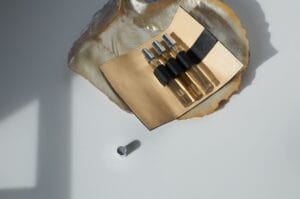
If you love experimenting with layering, travel-sized atomizers are a game-changer. They allow you to mix small amounts of your favorite fragrances on the go, so you can test new combinations without committing to a full bottle.
How to Make Your Layered Perfume Last Longer
Layering can enhance the longevity of your fragrance, but there are additional steps you can take to make it last even longer:
- Apply to Pulse Points: Spray or dab your layered perfume on pulse points like your wrists, neck, and behind your ears. These areas emit heat, which helps diffuse the scent throughout the day.
- Use a Perfume Primer: As mentioned earlier, a primer can significantly extend the life of your fragrance by slowing down evaporation.
- Layer with Unscented Products: Avoid using scented lotions or body washes before applying perfume, as they can interfere with your layered scent.
- Store Perfumes Properly: Keep your fragrances in a cool, dark place to preserve their integrity. For more tips, read our guide on how to store perfume properly.
Final Thoughts: Embrace Your Creativity
Perfume layering is a fun and creative way to express your individuality. By understanding fragrance notes, experimenting with complementary scents, and avoiding common mistakes, you can create a signature scent that’s as unique as you are. Don’t be afraid to mix and match—sometimes the most unexpected combinations yield the best results. Happy layering!
Questions fréquentes
What is the best way to start layering perfumes for beginners?
Start by choosing two fragrances with complementary notes, such as a citrus scent paired with a floral one. Apply the lighter fragrance first, followed by the heavier one, and test the combination on your skin to see how it develops.
Can I layer perfumes from different brands?
Absolutely! Layering perfumes from different brands can lead to unique and exciting combinations. Just ensure the fragrance families complement each other, such as woody with spicy or floral with citrus.
How many sprays should I use when layering perfumes?
Start with one spray of each fragrance and adjust as needed. Over-spraying can result in an overpowering scent, so it’s best to begin with a light application and build up gradually.
Does perfume layering work with all types of fragrances?
While most fragrances can be layered, some may not blend well due to conflicting notes or overpowering accords. It’s best to stick to complementary fragrance families and test combinations on your skin before committing.
How can I make my layered perfume last longer?
To extend the longevity of your layered perfume, apply it to pulse points, use a fragrance-free moisturizer or primer, and avoid mixing too many scents. Storing your perfumes properly also helps maintain their quality and longevity.