Stepping into the world of perfumery can feel like entering a beautiful but incredibly complex labyrinth. With thousands of bottles lining department store shelves, viral TikTok sensations promising instant compliments, and an overwhelming vocabulary of “notes,” “accords,” and “sillage,” finding your first bottle can feel daunting. However, fragrance is one of the most powerful forms of non-verbal communication. It evokes memories, boosts confidence, and leaves a lasting impression long after you leave a room.
This ultimate perfume guide for beginners is designed to demystify the olfactory arts. Whether you are looking for a clean everyday scent, a seductive date-night masterpiece, or simply want to understand why a perfume smells different on your skin than on a paper strip, we have you covered. Let’s break down the science and sensory joy of fragrance step by step.
Understanding the Fragrance Pyramid: Notes Explained
To understand perfume, you must first understand how it is constructed. Fragrances are not flat; they evolve over time. Perfumers design scents using a structure known as the fragrance pyramid, which consists of three distinct layers: top notes, heart notes, and base notes.
- Top Notes (Head Notes): These are the initial scents you smell immediately upon spraying a perfume. They are typically light, fresh, and volatile, designed to capture your attention instantly. Common top notes include citrus fruits (bergamot, lemon), light herbs, and soft berries. They evaporate quickly, usually within 5 to 15 minutes.
- Heart Notes (Middle Notes): Often referred to as the “soul” of the fragrance, the heart notes emerge as the top notes fade. They make up the core character of the perfume and last anywhere from 20 minutes to a few hours. Typical heart notes include florals (rose, jasmine), spices (cinnamon, cardamom), and green elements.
- Base Notes: These are the heavy, rich molecules that anchor the fragrance. They provide depth, warmth, and longevity, lingering on your skin for several hours or even days. Common base notes include vanilla, musk, amber, patchouli, and sandalwood.
Because of this pyramid structure, a perfume will smell vastly different after three hours than it did in the first three seconds. This is why patience is the ultimate virtue when shopping for a new bottle.
The Four Main Fragrance Families
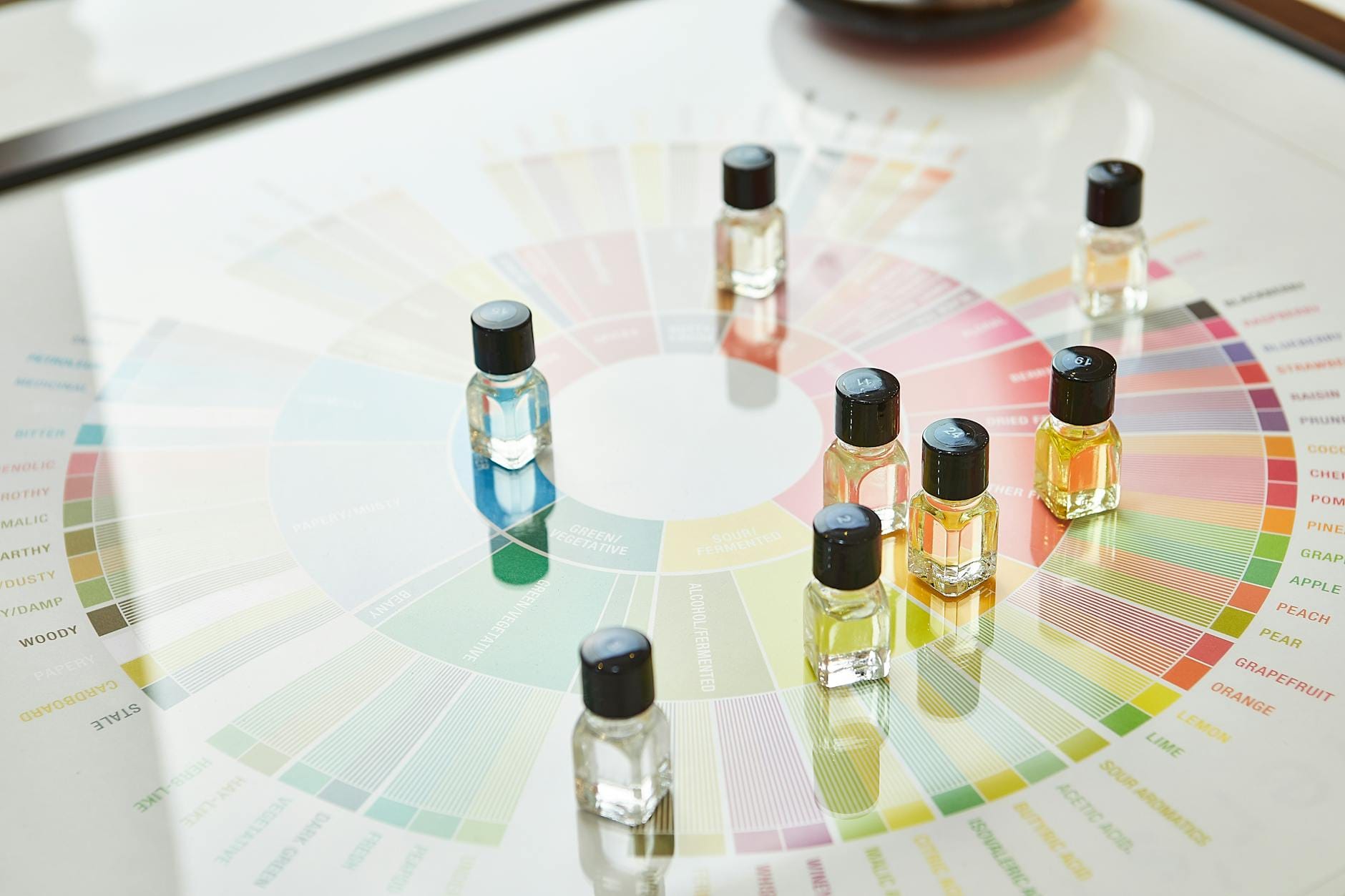
Every fragrance belongs to a specific olfactory category. To make sense of these, the industry uses the Fragrance Wheel, a classification system popularized by scent experts. Understanding these families is the easiest way to narrow down your preferences.
For a deep dive into how these categories interact, you can read our ultimate guide to fragrance families. Here is a simplified breakdown of the four primary pillars:
1. Fresh
Fresh fragrances are clean, bright, and invigorating. They are highly versatile and perfect for daytime wear, warm weather, or the workplace. This family is subdivided into citrus (lemon, mandarin), aquatic (sea salt, marine air), green (crushed leaves, fresh-cut grass), and aromatic (lavender, rosemary) notes.
2. Floral
The most popular and diverse family in feminine perfumery. Floral scents can range from a single, delicate note (like a freshly picked lily of the valley) to rich, complex bouquets of rose, tuberose, and jasmine. Modern variations also include “fruity florals” that blend sweet peaches or berries with classic blossoms.
3. Woody
Warm, dry, and opulent, woody fragrances evoke the scent of nature, forests, and luxury resins. This family relies heavily on notes like cedarwood, sandalwood, vetiver, and patchouli. Woody scents are traditionally associated with masculine colognes, but they have become incredibly popular in unisex and feminine niche perfumery for their grounding, sophisticated character.
4. Amber (Formerly Oriental)
Amber fragrances are rich, exotic, and sensual. They are characterized by warm, sweet, and spicy notes such as vanilla, incense, amber resins, and exotic spices. These scents are typically heavier, making them perfect for cold weather, evening wear, and special occasions where you want to make a statement.
Decoding Perfume Concentrations: EDP vs. EDT and More
Have you ever wondered why one bottle of perfume costs $50 while an identical-looking bottle costs $150? The answer often lies in the concentration of pure fragrance oil versus alcohol and water in the formulation.
Understanding these distinctions is crucial for managing your expectations regarding how long a scent will last and how strong it will project. For a comprehensive comparison, check out our perfume concentration types guide. Below is a quick-reference summary:
| Concentration Type | Fragrance Oil % | Average Longevity | Best Used For |
|---|---|---|---|
| Eau Fraîche | 1% – 3% | 1 – 2 Hours | Post-shower refresh, hot summer days |
| Eau de Cologne (EDC) | 2% – 4% | 2 – 3 Hours | Light, sporty daytime wear |
| Eau de Toilette (EDT) | 5% – 15% | 3 – 5 Hours | Daily wear, office environments |
| Eau de Parfum (EDP) | 15% – 20% | 5 – 8 Hours | All-day wear, versatile signature scents |
| Parfum / Extrait de Parfum | 20% – 40% | 8+ Hours | Special occasions, maximum depth and richness |
As a beginner, starting with an Eau de Parfum (EDP) or a high-quality Eau de Toilette (EDT) offers the best balance of price, performance, and versatility.
How to Test and Buy Perfume Like an Expert
Walking up to a fragrance counter can be overwhelming. To avoid buyer’s remorse and find a scent you genuinely love, follow this expert testing protocol:
1. Never Buy on the First Sniff
When you spray a perfume on a paper blotter, you are only smelling the top notes. Write the name of the perfume on the paper strip, take it home, and smell it again in two hours. This allows you to experience the heart and base notes.
2. Test on Your Skin
Your skin chemistry is entirely unique. Factors like skin pH, diet, hydration levels, and even body temperature alter how fragrance molecules evaporate. A perfume that smells divine on your friend might smell sour or flat on you. Once you narrow down your choices on paper, spray the top contender on your wrist.
3. Limit Your Choices
Your olfactory receptors will experience “scent fatigue” after smelling three or four strong fragrances. If you are testing multiple options, sniff dry coffee beans (if provided) or, even better, smell your own clean sleeve or skin to reset your nasal palate.
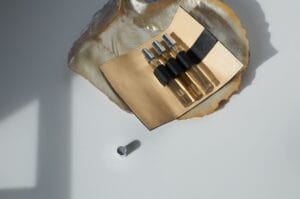
4. Start with Decants and Samples
Before committing to a full, expensive bottle, purchase small 2ml to 10ml travel sprays or decants. Wear the fragrance for a full week in different environments (work, home, outdoors) to ensure it fits your lifestyle and doesn’t cause headaches.
For a detailed, step-by-step roadmap to discovering your personal scent profile, explore our guide on how to choose your signature scent.
How to Apply and Store Your Perfume for Maximum Longevity
Buying a great perfume is only half the battle; how you apply and care for it determines its performance and lifespan.
Where to Apply
Apply your fragrance to your pulse points. These are areas where your blood vessels are closest to the skin’s surface, generating warmth that helps diffuse the scent. Key pulse points include:
- The wrists
- Behind the ears
- The base of the throat
- The inner elbows
- Behind the knees
Pro Tip: Never rub your wrists together after applying perfume. This friction generates heat that breaks down the delicate top notes prematurely, altering the scent profile and shortening its lifespan. Instead, gently dab or simply let it dry naturally.
Moisturize First
Dry skin is the enemy of fragrance longevity. Perfume oils bind to lipids; if your skin is dry, it will absorb the alcohol and oils rapidly, causing the scent to fade. Apply an unscented lotion or petroleum jelly to your pulse points before spraying to lock in the fragrance.
Proper Storage
Perfume is sensitive to light, heat, and humidity. Storing your bottles on a sunny windowsill or on your bathroom counter will cause the oils to oxidize and spoil within months. To preserve your collection, keep your bottles in a cool, dark, dry place, such as a closet, drawer, or their original boxes.
Building Your First Fragrance Wardrobe
Just as you wouldn’t wear a tuxedo to the beach or a swimsuit to a job interview, you shouldn’t rely on a single perfume for every scenario. A basic beginner’s fragrance wardrobe consists of three versatile scents:
To elevate your scent game even further, you can experiment with combining different bottles. Check out our perfume layering guide for beginners to learn how to safely mix notes and create a truly unique olfactory signature.
1. The Everyday Workhorse
This should be clean, non-offensive, and highly versatile. Look for fresh, soapy, light floral, or soft woody notes that sit close to the skin. It should make you smell polished and clean without overpowering a room or office space.
2. The Evening / Statement Scent
This is your bold, confident fragrance for date nights, parties, or formal events. Look for richer concentrations (EDP or Parfum) within the amber, woody, or sweet gourmand families. Notes of vanilla, dark chocolate, tobacco, amber, and deep spices work beautifully here.
3. The Wildcard / Seasonal Rotation
Choose a scent that matches the seasons. A bright, sparkling citrus or aquatic scent for the hot summer months, and a cozy, warm, spicy scent for the winter chill. This keeps your fragrance journey exciting and aligned with your environment.
By understanding the fundamentals of notes, families, and concentrations, you are no longer guessing in the dark. You now possess the knowledge to curate a collection that truly represents your personality. Take your time, sample widely, and enjoy the beautiful, sensory journey of finding your perfect fragrance.
Questions fréquentes
What is the difference between perfume and cologne?
The difference lies in the concentration of fragrance oils. Cologne (Eau de Cologne) typically contains 2% to 4% oil and lasts 2-3 hours, while perfume (Eau de Parfum or Parfum) contains 15% to 40% oil and lasts significantly longer. Historically marketed by gender, anyone can wear either type.
Why does perfume smell different on my skin than on paper?
Your unique skin chemistry—including pH levels, skin type (oily or dry), body temperature, and diet—interacts with the perfume oils. This alters how the molecules evaporate, creating a personalized scent profile.
How many sprays of perfume should a beginner apply?
For beginners, a safe starting point is 2 to 3 sprays on pulse points (such as the wrists and neck). You can adjust based on the strength and concentration of the specific fragrance.
Does perfume expire?
Yes, perfume can oxidize and degrade over time, usually lasting 3 to 5 years. You can tell a perfume has expired if the liquid changes color, becomes cloudy, or smells sour and metallic.
Can I wear a winter perfume in the summer?
While you can, heavy winter perfumes with strong notes of vanilla, amber, or spices can become cloying and overwhelming in hot, humid weather. Lighter, fresher scents are generally preferred for summer.